Can You Install Paint Protection Film on a Used Car? A Guide for Tempe Drivers
Paint protection film is often associated with brand-new vehicles.
Many owners choose to install PPF shortly after purchasing a new car to help protect the original paint before rock chips and surface wear begin to accumulate.
But what if your vehicle is already a few years old?
Can you still get paint protection film installed?
Yes. Paint protection film can often be installed on a used car, provided the paint and surface condition are suitable for installation.
In fact, adding professional PPF to a well-maintained used vehicle can be a practical way to protect its existing finish against future damage.
For drivers in Tempe, Arizona, where freeway debris, dust, and everyday road conditions can affect paint, that added protection may be especially valuable.
However, installing PPF on a used vehicle requires careful preparation and realistic expectations.
Here's what to know before scheduling paint protection film installation.
Is Paint Protection Film Only for New Cars?
No.
Although new vehicles are popular candidates for PPF, used cars can also benefit from professional paint protection.
The film's primary purpose is to protect the surface underneath it from future damage. It does not require a vehicle to be brand-new.
For example, a three-year-old luxury sedan with well-maintained paint may still be an excellent candidate for front-end protection.
The same can apply to a used SUV, sports car, Tesla, or Rivian.
The deciding factor is not simply the vehicle's age. It's the condition of the painted surfaces and whether they can be properly prepared for installation.
Why Paint Condition Matters Before PPF Installation
Paint protection film is transparent or nearly transparent, depending on the product. That means the condition of the surface underneath can influence the final appearance.
If your vehicle already has swirl marks, scratches, paint chips, or other imperfections, some of those defects may remain visible after film installation.
PPF is designed primarily to protect paint, not restore damaged paint.
Before installing film, a qualified technician should inspect the vehicle and determine whether additional preparation is necessary.
Light scratches and swirl marks
Some surface defects may be improved through professional paint correction.
Paint correction uses specialized polishing techniques to reduce suitable imperfections in the clear coat.
The amount of correction that can safely be performed depends on the condition and thickness of the existing paint. Not every scratch can be completely removed.
Existing rock chips
Rock chips may require paint repair before film installation.
If paint is missing, installing transparent film over that area does not replace the missing color or restore the damaged finish.
For heavily chipped surfaces, additional repair may be worth considering before applying PPF.
Repainted panels
Vehicles with aftermarket paint or previously repaired panels require additional evaluation.
Film adhesion and future removal may be affected by paint quality, curing, or underlying repair work. A professional installer should inspect these surfaces before recommending coverage.
Why Proper Surface Preparation Is Important
A quality PPF installation starts well before the film is applied. Preparing a used vehicle may involve several steps.
Step 1: Inspect the paint
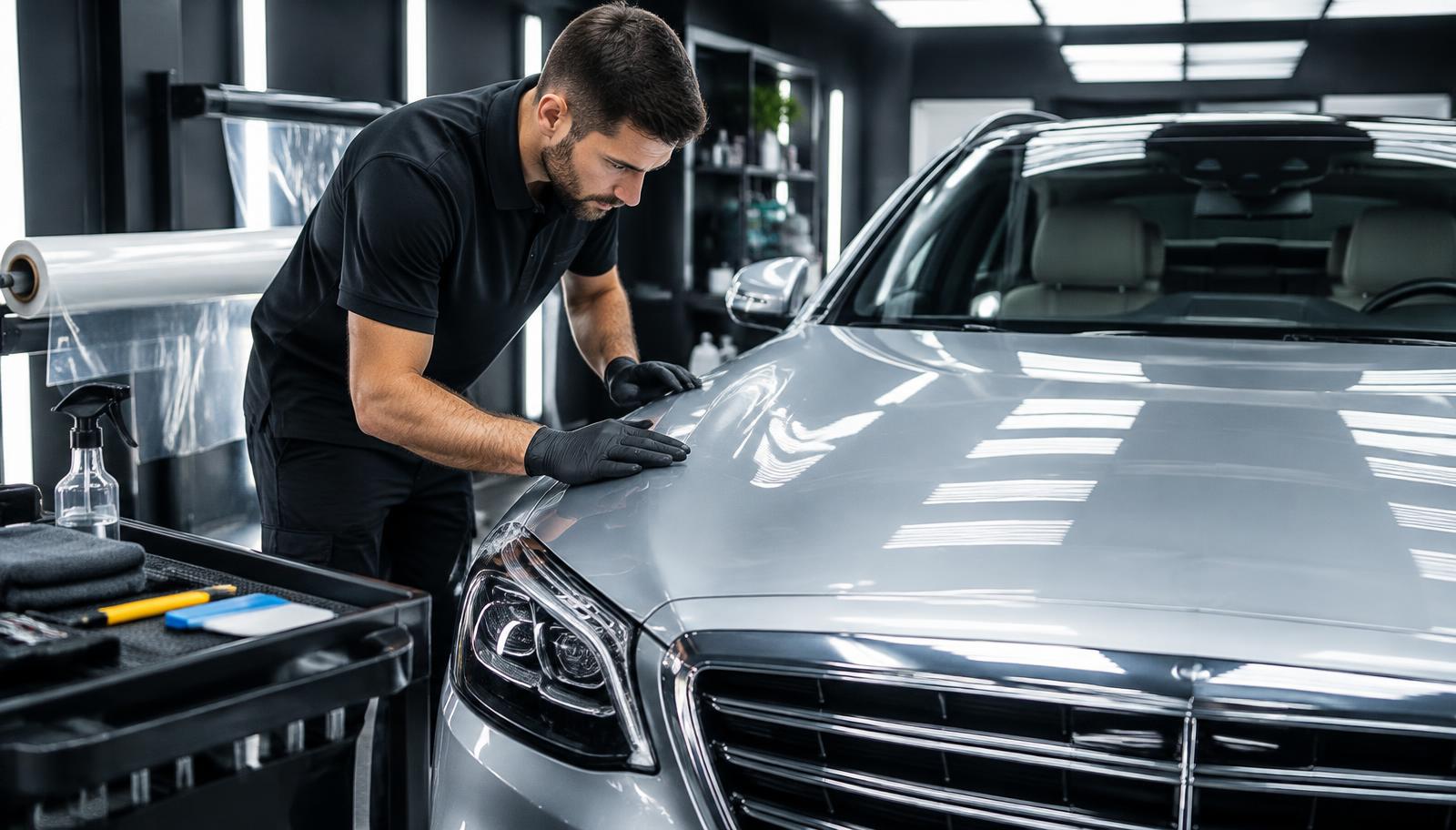
The installer evaluates visible defects, past repairs, and the general condition of the painted panels. This helps determine whether the vehicle is ready for film or needs additional work.
Step 2: Clean and decontaminate
The vehicle is thoroughly washed to remove loose dirt, dust, and road grime. Additional surface decontamination may be performed when necessary to remove bonded particles.
Installing film over contamination can affect the final appearance and installation quality.
Step 3: Correct suitable paint defects
If needed, professional paint correction can improve compatible surface imperfections before film installation. This helps achieve a cleaner-looking finish beneath the protective layer.
Step 4: Install the PPF
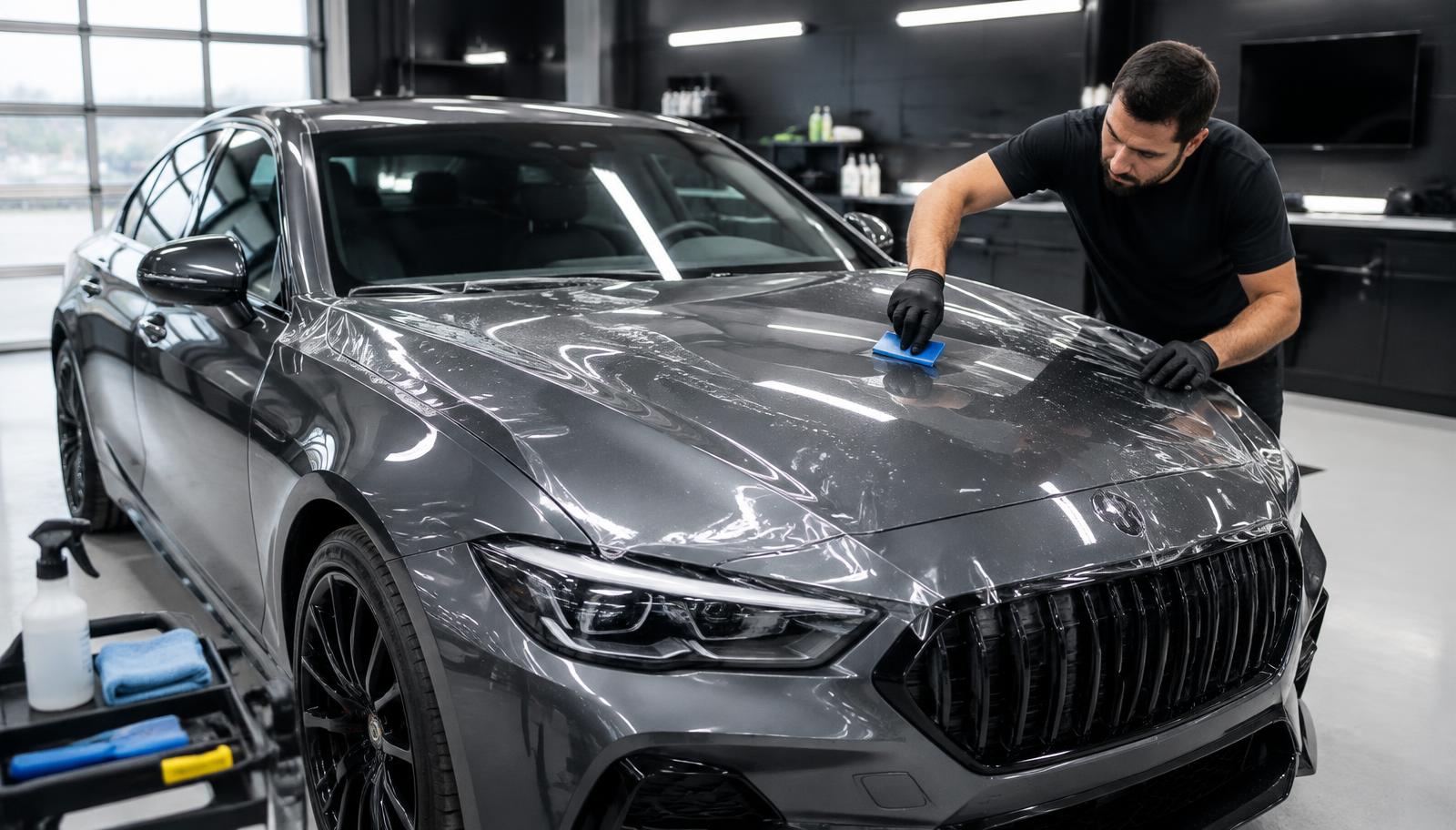
Once preparation is complete, paint protection film is carefully applied to the selected areas.
At Tempe Auto Spa, we install XPEL paint protection film using precise vehicle-specific patterns.
Step 5: Inspect and review aftercare
After installation, the film should be inspected and the owner should receive instructions for washing and maintenance.
Following product-specific care recommendations helps preserve the appearance and performance of the film.
Why Used Cars in Tempe Can Benefit From PPF
Even if your vehicle already has some miles on it, its paint remains exposed to future damage.
Daily freeway driving
Regular commuting along Loop 101, US 60, and Interstate 10 can expose front-facing panels to small stones and other road debris. PPF helps absorb many minor impacts that might otherwise mark the painted surface.
Long-term ownership
If you plan to keep your vehicle for several more years, protecting the existing finish may help reduce additional cosmetic wear.
Preserving a desirable vehicle
Used luxury cars, sports cars, and enthusiast vehicles can benefit from maintaining as much of their existing paint condition as possible.
Limiting future paint damage
While PPF cannot reverse previous damage, it can help protect properly prepared panels against new chips and surface scuffs. The goal is preservation rather than restoration.
Which Areas Should You Protect on a Used Car?
You do not necessarily need full-body coverage.
Many used-car owners begin with areas that face the greatest exposure to flying road debris.
Common PPF coverage options include:
- Front bumper
- Hood
- Front fenders
- Side mirrors
- Rocker panels
- Other high-impact painted areas
A full-front package can be a practical choice for commuters.
Owners seeking broader coverage may prefer full-body film, especially if the vehicle has been carefully maintained or professionally restored.
The ideal package depends on the car's condition, how it's used, and the owner's priorities.
Is PPF Worth Installing on an Older Car?
It can be, but not every vehicle needs the same level of investment.
Consider these questions before booking:
How long do you plan to keep the car? If you expect to own it for several more years, protecting the existing finish may be useful.
What condition is the paint in? A vehicle with good original paint or professionally corrected surfaces may be a stronger candidate.
Where do you drive most often? Frequent freeway driving increases exposure to road debris.
How important is the finish to you? Owners of enthusiast, collector, or luxury vehicles may place greater value on preserving exterior condition.
If the paint is heavily damaged or peeling, repairs may be a higher priority than PPF. A professional consultation can help determine the most practical next step.
Can You Add Ceramic Coating After Installing PPF?
Yes. Compatible ceramic coating can be applied over many paint protection films.
PPF helps provide a physical barrier against impacts, while ceramic coating makes the surface easier to clean and maintain.
This combination can be especially useful in Arizona, where dust and environmental contamination are common.
At Tempe Auto Spa, we offer both XPEL paint protection film and professional ceramic coating.
Frequently Asked Questions About PPF on Used Cars
Can PPF be installed on a car with scratches?
Yes, in some cases. However, scratches may remain visible beneath the film. A professional inspection can determine whether paint correction is appropriate before installation.
Can you put paint protection film over rock chips?
Film may be installed over some previously damaged areas, but existing chips will not disappear. Paint repair may be recommended before applying the film.
Will removing PPF damage old paint?
Properly installed film is generally designed for safe professional removal, but older, repainted, damaged, or poorly bonded paint may carry additional risks. The vehicle's paint condition should be assessed.
Is PPF worth it on a five-year-old car?
It may be worthwhile if the vehicle's paint is in suitable condition and you plan to keep driving it. Factors such as freeway exposure, ownership plans, and budget should guide the decision.
Conclusion: Protect Your Used Vehicle With PPF in Tempe, AZ
You don't need a brand-new vehicle to benefit from paint protection film.
A properly maintained used car can still be an excellent candidate for professional PPF installation.
The key is evaluating the existing paint, preparing the surface correctly, and choosing coverage that makes sense for your vehicle.
At Tempe Auto Spa, we're an XPEL Authorized Dealer offering paint protection film installation in Tempe, AZ for daily drivers, luxury vehicles, Tesla, Rivian, and exotic cars.
We serve clients throughout Tempe, Scottsdale, Mesa, Chandler, Phoenix, and surrounding Valley communities.
Wondering whether your used vehicle is a good candidate for PPF? Contact Tempe Auto Spa or call (480) 576-5484 to discuss your paint condition and protection options.